ICOM IC-A25N Handheld NAV/COM Transceiver w/ Bluetooth – Open Box: Advanced Pilot Communication
ICOM IC-A25N Handheld NAV/COM Transceiver w/ Bluetooth – Open Box: Advanced Pilot Communication
Blog Article
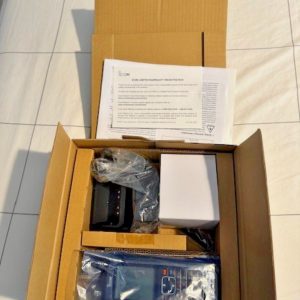
:::writingvariant="document" id="58314" ICOM IC-A25N Handheld NAV/COM Transceiver w/ Bluetooth – Open Box: Professional Aviation Backup Radio The ICOM IC-A25N Handheld NAV/COM Transceiver w/ Bluetooth – Open Box offers practical cockpit, emergency, training, and ground-use functionality in a compact handheld format. An open-box ICOM transceiver can be attractive to buyers who want dependable features while reducing the cost of purchasing professional aviation equipment. The ICOM IC-A25N Handheld NAV combines practical portability with features intended to support situational awareness and reliable aviation operations. The ICOM IC-A25N Aviation Radio offers portable flexibility for aircraft owners who do not want to rely exclusively on panel-mounted communication equipment. The ICOM IC-A25N Handheld Radio can be carried conveniently in a flight bag, stored as backup cockpit equipment, used during preflight activities, or assigned to aviation personnel who require portable communication. A Handheld NAV/COM Aviation Transceiver can reduce the need to carry separate portable communication and navigation receivers for certain aviation tasks. Whether a buyer is sourcing a Handheld Aviation Radio, Aviation NAV/COM Radio, Pilot Handheld Radio, or Aircraft Communication Radio, actual operating needs should guide the selection. The handheld format makes the unit relevant to buyers comparing Emergency Aviation Radio, Backup Aircraft Radio, ICOM Pilot Radio, and portable navigation communication equipment.
Why Pilots Choose the ICOM IC-A25N Handheld Radio
The radio’s portable construction allows it to support aircraft operations before departure, during flight, after landing, or while personnel are working around the airport. Its practical value comes from combining mobility, recognizable controls, aviation-focused operation, rechargeable power, and multiple communication or navigation functions. A handheld radio can provide valuable support, but performance may depend on antenna position, aircraft structure, terrain, distance, interference, battery condition, and operating environment. A backup radio provides greater value when the pilot has already practiced frequency selection, volume adjustment, read more navigation functions, Bluetooth setup, and battery management.ICOM IC-A25N Handheld NAV Applications
A handheld NAV radio can be valuable to flight instructors who demonstrate aviation communication and navigation concepts during training. Flight schools can use portable radios to support classroom discussions, ramp communication, operational demonstrations, and backup planning. Aviation navigation requires situational awareness, planning, current data, and understanding of aircraft and airspace requirements. Responsible operation includes checking settings, frequency steps, stored information, battery capacity, antenna security, and any paired accessories before departure.Using the ICOM IC-A25N Aviation Radio
The radio may be useful to pilots operating aircraft with limited avionics, temporary communication problems, or different cockpit configurations. Flight instructors can use the device as supplemental equipment during ground lessons, aircraft walkarounds, and selected training exercises. A complete written inventory helps purchasers compare the open-box price with the cost of replacing missing accessories separately. Remote buyers may request a video showing startup, menu operation, button response, audio output, charging status, and physical condition.ICOM IC-A25N Handheld Radio Portability
The IC-A25N provides flexibility for aviation users who need one communication device across multiple locations and operational roles. Pilots should protect the radio with a suitable case or organized storage compartment to reduce the risk of impact, moisture, connector damage, or accidental control activation. Users can review the interface in a quiet environment rather than learning controls during engine operation or busy airport activity. A portable radio should not be left in extreme heat, direct sunlight, freezing conditions, or damp environments for extended periods.Maintaining a Handheld NAV/COM Aviation Transceiver
The device may be especially valuable to pilots who operate older aircraft, rented aircraft, or airplanes with limited redundancy. Commercial value depends on condition, package completeness, included equipment, seller support, and the cost of any missing accessories. Stored frequencies and settings should be reviewed periodically so outdated information does not create confusion. An equipment log may be helpful for flight schools, shared aircraft, or aviation businesses where several users handle the same device.Handheld Aviation Radio for General Aviation
Handheld radios provide communication flexibility where panel equipment is unavailable, temporarily unpowered, difficult to access, or assigned to another aircraft. A handheld unit is most valuable when charged, accessible, tested, and familiar to the pilot before it is required. The operating manual and applicable aviation procedures should guide setup and use. Pilots must use aviation frequencies responsibly and comply with applicable licensing, authorization, frequency, and communication requirements.Using an Aviation NAV/COM Radio
A NAV/COM radio may support pilots who need backup communication while also valuing navigation-oriented information and operating flexibility. Menu familiarity, memory organization, display interpretation, audio control, and Bluetooth setup can improve efficient operation. Users should distinguish between convenience features, backup capability, training value, and equipment required for a particular flight. Volume and squelch should be adjusted appropriately while avoiding unnecessary distraction.Maintaining a Pilot Handheld Radio
A Pilot Handheld Radio can provide useful communication redundancy during cross-country flights, aircraft delivery, rental operations, training, and travel to unfamiliar airports. Pilots should decide before departure where the radio will be located and how it will be retrieved during an abnormal situation. Regular familiarity helps users recognize abnormal operation, weak batteries, damaged controls, or missing accessories early. Pilots may consider carrying an appropriate backup power option when supported by the equipment and mission requirements.Aircraft Communication Radio Benefits
Portable aircraft radios are useful when installed equipment is unavailable, an aircraft is unpowered, or personnel need communication away from the cockpit. Headset and Bluetooth accessories should be tested for microphone quality and audio clarity before operational use. Moving the radio or antenna within the cockpit may influence reception, but it must remain secure and clear of controls. Users should stop relying on the unit if it displays intermittent function or unexplained shutdowns until the concern is resolved.Using a Portable Aviation Transceiver
The ability to carry the radio personally helps operators maintain access to familiar controls and stored settings. An accessory checklist may be useful for businesses or flight schools that issue the radio to different users. Bluetooth capability can improve convenience by supporting compatible wireless audio arrangements and reducing the number of cables around the pilot or operating area. Wireless convenience should not replace disciplined equipment checks and familiarity with standard radio controls.Maintaining an Aviation Communication Device
The ideal device balances functionality with an interface the user understands and can operate confidently. Open-box equipment should be compared carefully with new and used alternatives because condition, warranty, packaging, and completeness may vary. Organized equipment management helps ensure that the radio remains available and serviceable for the next user. Clear labels and quick-reference instructions can reduce setup errors without replacing the complete operating manual.Handheld Aircraft Radio Benefits
The device may also support pilots at airports where communication must begin before the aircraft electrical system is activated. Using the radio on the ground can preserve aircraft battery power and reduce the need to energize installed avionics solely for monitoring or coordination. A planned storage position supports fast retrieval while protecting the radio and aircraft interior. The radio should be cleaned only with suitable methods that do not damage the display, housing, seals, labels, or controls.Aviation Navigation Radio Benefits
A combined navigation and communication unit can help pilots maintain familiarity with one device rather than carrying unrelated portable tools. A demonstration or careful manual review can help users understand displays, menus, stored information, and navigation-related controls. Pilots remain responsible for route planning, weather evaluation, airspace awareness, fuel management, and safe aircraft control. The manual and quick-reference information should be available until the pilot can use important functions confidently.ICOM Pilot Radio Benefits
An ICOM handheld can become a standard part of a flight bag for pilots who regularly operate rented, shared, or personally owned aircraft. A complete and well-documented package can be more valuable than a lower-priced unit missing essential equipment. Buyers should compare the offered radio with their headset, Bluetooth devices, aircraft environment, charging resources, and expected operating frequency. Periodic practice ensures that the user remains confident with essential functions as time passes.Choosing an Emergency Aviation Radio
A backup transceiver should be included in emergency planning rather than carried without testing or operational preparation. Users should practice essential operation under calm conditions so frequency entry and audio adjustment remain manageable under stress. Emergency preparation may include checking battery endurance, carrying an appropriate backup power source, protecting the antenna, and confirming headset compatibility. Any missing charger, antenna, adapter, cable, or battery concern should be corrected before the radio is relied upon.Backup Aircraft Radio Applications
Pilots who operate several aircraft can carry the same Backup Aircraft Radio and remain familiar with its controls across different cockpit layouts. A backup device should not be neglected simply because it is not used during every flight. A dedicated flight-bag pocket, protective mount, or secured cockpit storage area may provide suitable access. With thoughtful preparation, a Backup Aircraft Radio can provide valuable confidence without creating unnecessary cockpit complexity.Evaluating an Open-Box Aviation Radio
Buyers should review the radio body for scratches, cracks, missing labels, damaged controls, loose components, or wear around frequently handled areas. The seller should identify whether original packaging, manuals, warranty materials, and product registration documents remain available. The Bluetooth system should be checked for pairing, audio routing, connection stability, and compatibility with supported equipment. The radio should be protected from impact, moisture, static, loose movement, and pressure during transportation.Routine Care for a Handheld Aviation Radio
Long-term reliability depends on battery care, protected storage, correct charging, careful antenna handling, clean connectors, updated familiarity, and prompt attention to operating concerns. Reliable readiness comes from planned inspection, charging, practice, and responsible storage.- Check for cracks, loose parts, damaged buttons, display concerns, weak battery performance, antenna damage, charging problems, and missing accessories.
- Review essential controls on the ground so the radio can be operated confidently without unnecessary cockpit distraction.
- Store the radio, battery, charger, antenna, adapters, and documentation in a dry, organized, protected location after use.